
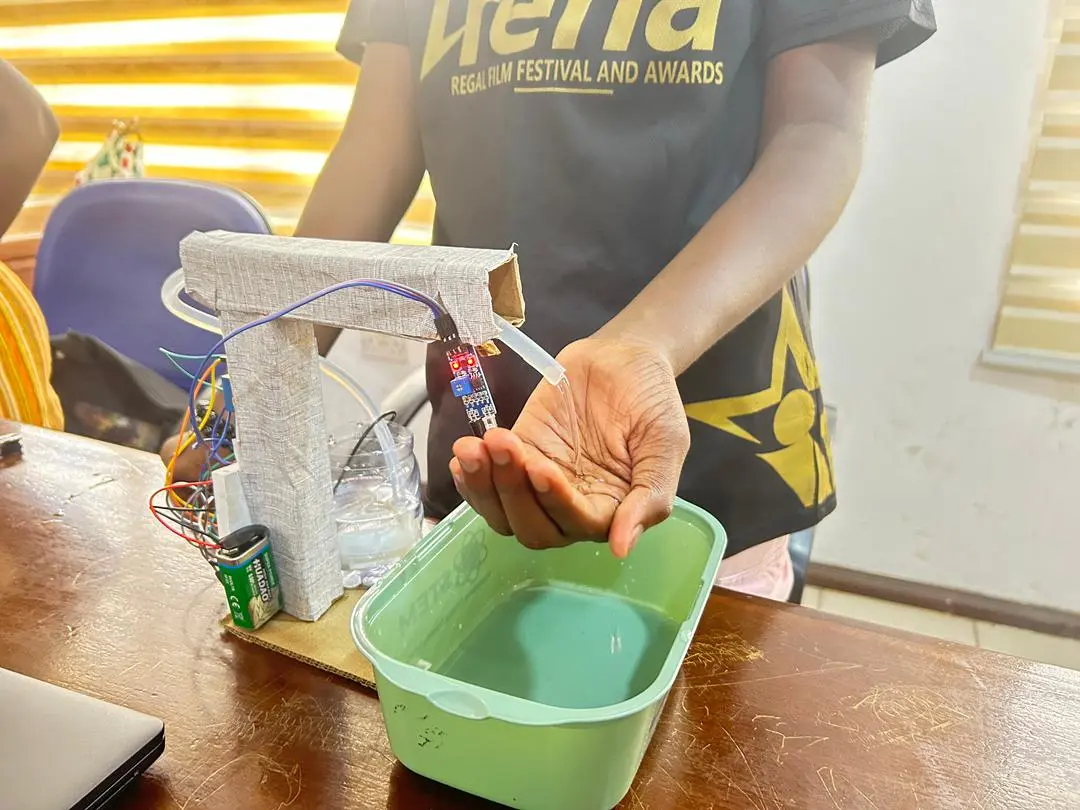
Technical Skills
Practical vocational training for work, enterprise, and confidence.
Training covers electrical installation, carpentry, welding and fabrication, masonry, and other technical skills with a strong safety and standards focus.
Our vocational programmes prioritise safety, workplace standards, and supervised practice so learners graduate with the competence and confidence to enter employment, apprenticeships, or self-employment.
Training areas
Electrical installation
Learn electrical safety, wiring principles, circuit layout, tools, installation procedures, testing, maintenance, and fault identification — building competence for residential and commercial work.
Carpentry
Develop skills in measuring, cutting, joining, finishing, and safe use of hand and power tools for practical woodwork projects from basic frames to fitted furniture.
Welding and fabrication
Train in metal preparation, welding techniques, fabrication methods, joint quality, and structural standards for custom and on-site metalwork.
Masonry
Build competence in blockwork, plastering, concrete basics, layout, levelling, and construction standards used on residential and commercial building sites.
General trade skills
Develop foundational artisan competencies — tool care, material handling, measurement, quality checks, and workplace communication — that apply across every technical trade.

Who this programme is for
School leavers and young adults
Learners seeking a practical alternative or complement to formal education, ready to build employable trade skills from the ground up.
Career changers
Adults exploring a new direction who want structured, hands-on training with clear pathways into work or enterprise.
Apprentices and trainees
Individuals already in trade environments who need formal skill-building, safety training, or structured practice to strengthen their competence.
Entrepreneurs and self-employed artisans
Practitioners who want to improve technique, adopt better standards, and build a portfolio of completed work to attract clients.
Training approach
Every session follows a structured cycle: safety briefing, tool and material introduction, instructor demonstration, supervised practice, quality review, and reflection. Learners repeat this cycle until tasks meet workplace standards — building muscle memory, discipline, and the confidence to work independently.

Safety and workplace standards
Personal protective equipment
Learners are trained to select, wear, and maintain appropriate PPE for each trade — including eye protection, gloves, footwear, and respiratory equipment where required.
Tool and equipment safety
Safe handling, inspection, and operation of hand tools, power tools, and site equipment is taught before any practical work begins.
Site discipline and conduct
Workplace expectations — housekeeping, communication, reporting hazards, and respecting boundaries — are reinforced throughout every programme.
Quality checks and standards
Learners learn to inspect their own work against industry benchmarks, identify defects, and apply corrections before sign-off.
Duration and delivery
On-site workshops
Structured sessions at the De'FES centre with dedicated practice areas, tools, and instructor supervision.
Supervised practice blocks
Extended hands-on periods where learners complete progressively complex tasks under close guidance.
Holiday intensives
Focused vacation programmes for learners who want to build skills during school breaks.
Custom cohorts
Tailored programmes for organisations, community groups, or employer-sponsored groups with specific trade focus and schedule requirements.
Tools, materials, and assessment
Core tools and practice materials are provided during training sessions. Learners are guided on which personal tools to acquire for independent work. Assessment is practical — learners demonstrate competence through completed tasks, quality of workmanship, safety compliance, and a portfolio of work produced during the programme.
- Core tools provided during training
- Guidance on personal tool investment
- Practical task-based assessments
- Portfolio of completed work
- Safety compliance checks
Outcomes
Employability
Graduates leave with demonstrable trade skills, a work portfolio, and the workplace discipline employers and contractors expect.
Entrepreneurship
Learners gain the technical foundation and confidence to offer services independently, manage small projects, and grow a client base.
Tool confidence
Safe, competent use of trade-specific tools and equipment — from hand tools to power equipment — becomes second nature.
Safety awareness
A strong safety mindset that protects the learner, colleagues, and clients on every job site or workshop.
Technical discipline
Attention to measurement, quality, finishing, and professional standards that distinguish competent artisans.
Career and enterprise outcomes
- Enter apprenticeships with established tradespeople or companies
- Start self-employment ventures in electrical, carpentry, welding, or masonry
- Gain workplace readiness for site-based or workshop employment
- Build a trade portfolio to show prospective employers or clients
- Pursue further certification through recognised trade bodies
Certification and next steps
Certificates are issued for programmes approved by De'FES or an authorised partner. Our admissions team confirms certification status at registration. Graduates may pursue apprenticeship placements, further trade certification, or advanced specialisation — our team can advise on recommended next steps based on your trade area and career goals.

Take the next step
The next step can begin with one practical skill.
Whether you are preparing for an examination, exploring technology, developing a trade, planning a school programme, or seeking an implementation partner, De'FES is ready to support your journey.